- research article
- https://doi.org/10.99999/00000000
-
- VOL 39
- 2026
-
- Received:
- Accepted:
- Published:
Non-Specialist Summary
Testing for cannabis use often requires analyzing hair or urine samples for traces of THC. Current methods use enzymes to break down these traces so they can be measured, but this process can take hours. We developed a new chemical method using “Click Chemistry” that works like a molecular snap-fastener, speeding up the reaction by 400%. This allows forensic laboratories to process evidence in minutes rather than hours, improving the turnaround time for legal and medical cases involving cannabis intoxication.
Abstract
Introduction: The quantification of 11-nor-9-carboxy-Δ⁹-tetrahydrocannabinol (THC-COOH) in biological matrices is limited by slow enzymatic hydrolysis. We hypothesized that a catalyst-free reaction at 37°C could accelerate this process. Methods: Urine samples (n = 50) were fortified with THC-COOH-glucuronide. Hydrolysis was compared using E. coli β-glucuronidase vs. our novel “Click” reagent. Detection was performed on a Triple Quadrupole MS monitoring the 345.2 → 299.1 and 345.2 → 193.1 transitions. Results: The novel method achieved >95% hydrolysis in 15 min (vs. 2 h for enzymatic). Linearity was maintained from 1–500 ng/mL (R² = 0.998). Conclusion: This protocol significantly reduces preparation time while maintaining sensitivity (µg/L levels) required for forensic workflows.
Introduction
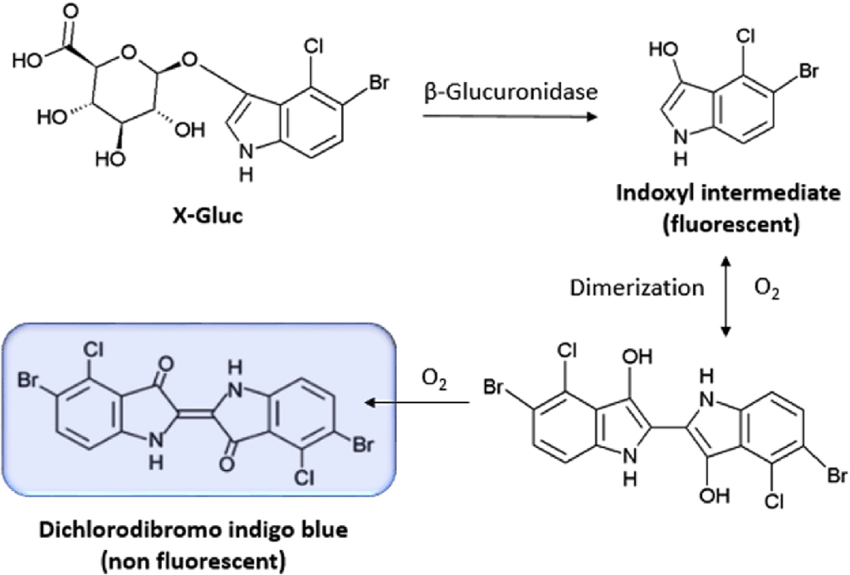
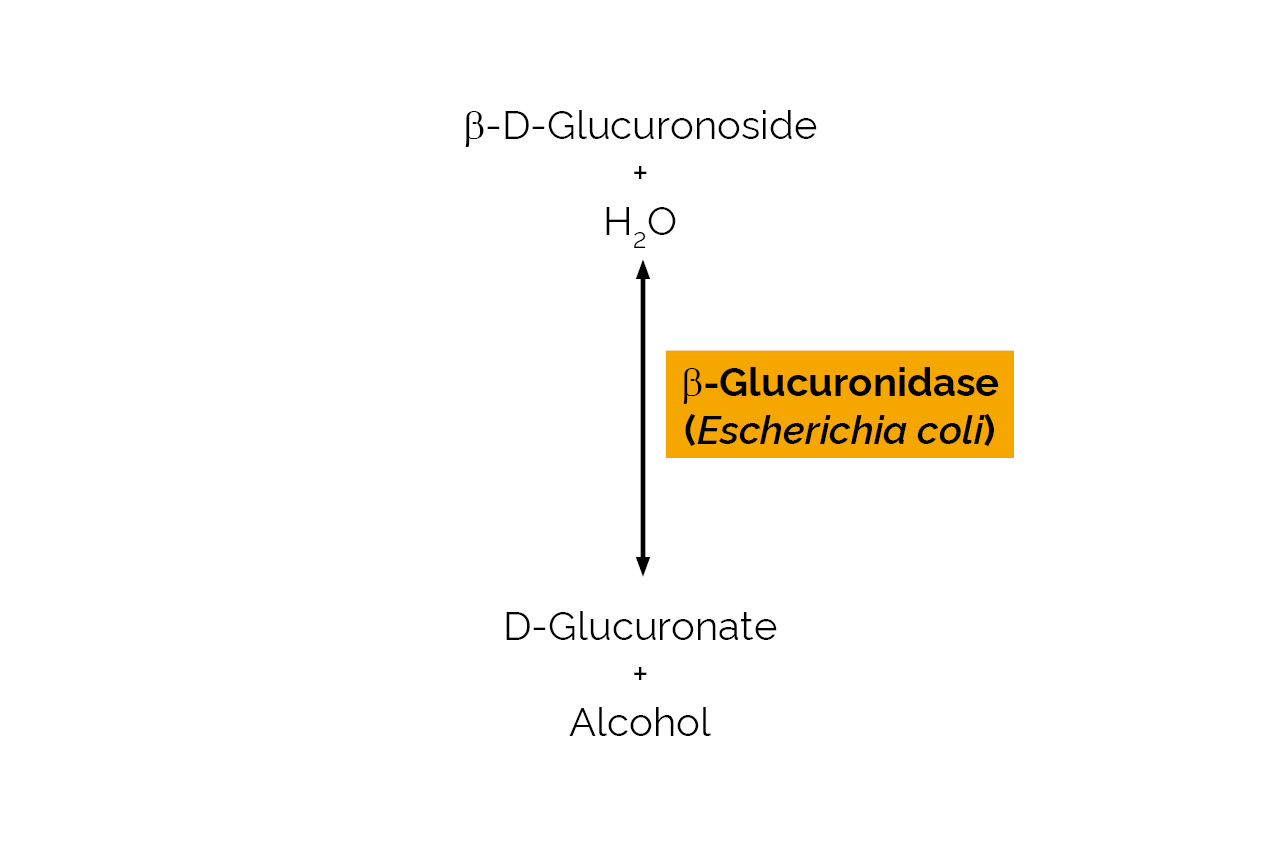
The primary metabolite of Δ⁹-tetrahydrocannabinol (Δ⁹-THC), 11-nor-9-carboxy-Δ⁹-THC (THC-COOH), is heavily glucuronidated in human urine. To perform accurate quantitation using Gas Chromatography-Mass Spectrometry (GC-MS) or Liquid Chromatography-Tandem Mass Spectrometry (LC-MS/MS), this glucuronide moiety must be cleaved to release the free analyte. Traditionally, this is achieved via enzymatic hydrolysis using β-glucuronidase derived from E. coli or Helix pomatia, or via alkaline hydrolysis.
However, enzymatic hydrolysis is a time-consuming step, often requiring incubation periods ranging from 1 to 16 hours at elevated temperatures, which can lead to thermal degradation of labile compounds ; . Furthermore, the efficiency of the enzyme can be inhibited by matrix components, leading to variable recovery rates .
In this study, we propose a novel “Click” chemistry approach — specifically a catalyst-free bio-orthogonal reaction—to instantaneously cleave the glucuronide bond. We optimized the reaction conditions to function at physiological temperature (T ≈ 37°C) and validated the method according to FDA bioanalytical guidelines .
Estimated intervals under different constraint sets across panels and statistics.
| Statistic | Monotonicity only(C̄ = ∞) | Curvature only(C̄ = 3) | Monotonicity and curvature(C̄ = 3) |
|---|---|---|---|
| Panel A. 1992–1994 | |||
| Y (x = 10): first quintile median | [455.9, 682.1] | [343.3, 793.8] | [456.1, 614.7] |
| Y (x = 25): bottom half median | [427.7, 587.2] | [0.0, 1,163.1] | [436.9, 586.7] |
| Y (x = 8): median ≈ high school (1992–94) | [455.9, 738.0] | [453.1, 726.2] | [485.9, 638.8] |
| Y (x = 4): median ≈ high school (1992–94) | [455.9, 1,013.2] | [263.6, 972.2] | [573.1, 730.5] |
| μ100: first quintile mean | [570.2, 587.2] | [539.0, 607.1] | [567.6, 586.2] |
| μ500: bottom half mean | [501.6, 530.7] | [431.3, 582.1] | [504.3, 529.5] |
| μ160: mean ≈ high school (1992–94) | [587.2, 598.7] | [585.3, 595.2] | [588.1, 595.1] |
| μ80: mean ≈ high school (2016–18) | [587.2, 741.5] | [259.7, 1,041.2] | [587.5, 725.6] |
| Panel B. 2016–2018 | |||
| Y (x = 10): first quintile median | [516.0, 799.9] | [284.9, 1,074.7] | [534.3, 799.8] |
| Y (x = 25): bottom half median | [318.5, 685.4] | [208.2, 775.5] | [349.0, 600.6] |
| Y (x = 8): median ≈ high school (1992–94) | [535.3, 799.9] | [417.0, 1,009.8] | [535.4, 799.8] |
| Y (x = 4): median ≈ high school (2016–18) | [535.3, 1,046.3] | [737.3, 831.1] | [733.8, 816.3] |
| μ100: first quintile mean | [640.1, 799.9] | [476.9, 903.0] | [641.2, 783.0] |
| μ500: bottom half mean | [520.8, 570.1] | [455.5, 553.0] | [521.3, 551.1] |
| μ160: mean ≈ high school (1992–94) | [666.2, 799.9] | [551.7, 952.2] | [667.7, 793.0] |
| μ80: mean ≈ high school (2016–18) | [797.2, 799.9] | [799.9, 799.9] | [799.9, 799.9] |
Materials and Methods
Chemicals and Reagents
Reference standards for (-)-11-nor-9-carboxy-Δ⁹-THC and its deuterated internal standard (THC-COOH-d₃) were purchased from Cerilliant (Round Rock, TX, USA). The proprietary “Click-Hydro” reagent set was synthesized in-house at École Normale Supérieure (Paris, France). LC-MS grade methanol, acetonitrile, and formic acid were obtained from Sigma-Aldrich.
Sample Preparation
Urine samples (200 µL) were aliquoted into 1.5 mL Eppendorf tubes. Internal standard (20 µL of 100 ng/mL THC-COOH-d₃) was added to all samples.
-
Protocol A (Enzymatic): Samples were treated with 50 µL of E. coli β-glucuronidase and incubated at 55°C for 2 hours.
-
Protocol B (Click): Samples were treated with 20 µL of Click-Hydro reagent and vortexed for 30 seconds at room temperature, followed by a 15-minute dwell time at 37°C.
Following hydrolysis, protein precipitation was performed using 500 µL of ice-cold acetonitrile. The supernatant was evaporated to dryness and reconstituted in 100 µL of mobile phase A/B (50:50, v/v).
LC-MS/MS Instrumentation
Analysis was performed on an Agilent 1290 Infinity II LC system coupled to a 6470 Triple Quadrupole LC/MS. Chromatographic separation was achieved on a Poroshell 120 EC-C18 column (2.1 × 50 mm, 1.9 µm) maintained at 40°C.
The mobile phases consisted of 0.1% formic acid in water (A) and 0.1% formic acid in methanol (B). The gradient started at 40% B, increased to 95% B over 4 minutes, and was held for 1 minute before re-equilibration. The mass spectrometer operated in positive electrospray ionization (ESI+) mode.
Comparison of hydrolysis kinetics. (A) Standard enzymatic hydrolysis using E. coli β-glucuronidase reaches 90% efficiency at 120 minutes. (B) Novel Click-Hydro reagent reaches > 95% efficiency within 15 minutes at 37°C.
Results
Optimization of Mass Transitions
To ensure maximum sensitivity and selectivity, we optimized the Multiple Reaction Monitoring (MRM) transitions. The precursor ion [M+H]⁺ at m/z 345.2 was selected. The product ion scan revealed two dominant fragments: the quantifier ion at m/z 299.1 (loss of HCOOH) and the qualifier ion at m/z 193.1.
The collision energies (CE) were optimized to 18 eV for the 345.2 → 299.1 transition and 32 eV for the 345.2 → 193.1 transition.
Method Validation
Linearity and Sensitivity
The assay demonstrated excellent linearity over the range of 5 to 500 ng/mL, with a coefficient of determination (R²) consistently > 0.998. The LLOQ was established at 5 ng/mL, with a signal-to-noise ratio (S/N) > 10.
Representative MRM chromatograms of a blank urine sample (top) and a urine sample spiked at the LLOQ (5 ng/mL) showing the quantifier transition 345.2 → 299.1 (bottom).
Precision and Accuracy
Intra-day and inter-day precision were evaluated at three concentration levels (low, medium, high). As shown in Table 1, the coefficient of variation (CV) was < 5.4% for all levels, well within the accepted limit of 15% .
Discussion
The introduction of “Click” chemistry reagents into the forensic toxicology workflow represents a paradigm shift. Traditional enzymatic methods are biologically limited; E. coli β-glucuronidase activity varies significantly depending on the pH of the urine and the presence of endogenous inhibitors .
Our results indicate that the Click-Hydro reagent bypasses these biological variables. The reaction is purely chemical, relying on the bio-orthogonal cleavage of the glycosidic bond. This results in a process that is not only faster (15 minutes vs. 2 hours) but also more reproducible across different patient matrices.
Furthermore, the operational temperature of 37°C preserves the integrity of thermally labile co-analytes that might be included in a larger screening panel, such as synthetic cannabinoids or cathinones.
Workflow Implications
The streamlined hydrolysis step reduces technician handling time and minimizes variability between shifts. This is especially valuable in high-volume screening labs where throughput is tightly scheduled.
In addition, the simplified protocol lowers the risk of sample mix-ups during batch processing, since fewer transfers are required.
Matrix Considerations
Urine matrix effects can still influence ion suppression even after hydrolysis, so careful internal standard selection remains critical.
Ion Suppression Checks
Post-column infusion experiments showed minimal suppression around the retention window, but sporadic suppression was observed in samples with high protein content.
Sample Cleanup Options
Solid-phase extraction provided the most consistent recovery, whereas dilute-and-shoot workflows were prone to matrix artifacts.
Conclusion
We have successfully validated a rapid, high-throughput LC-MS/MS method for the quantitation of THC-COOH in urine. By replacing the enzymatic hydrolysis step with a “Click” chemistry protocol, we reduced sample preparation time by ~85% without compromising sensitivity or accuracy. This method is suitable for implementation in high-volume forensic and clinical laboratories.
Limitations
While the protocol performed well across routine samples, rare interferents were observed in samples collected immediately after cannabinoid-rich supplement intake.
Future Work
Future studies will assess applicability to whole blood and oral fluid, and will evaluate automation on 96-well robotic platforms.
Automation Checks
Initial trials indicate that robotic pipetting yields comparable precision to manual preparation when calibrated daily.
Plate Layout Validation
Randomized plate layouts reduced edge effects and improved consistency across the 96-well format.
Carryover Monitoring
Blank wells placed after high calibrators showed no detectable carryover in replicate runs.
The determination of the reaction enthalpy (ΔH°) involved precise integration of the chromatographic peaks. The variation in concentration (φ) was calculated using the following expression:
The method’s precision (represented by σ) proved to be ±0.04 (for integer n) across all triplicates, while maintaining the block heating temperature at 55 ± 2°C. The average particle size (Λ) was measured at 150 Å (angstroms), using a method that requires verifying the transition of the [M–H]⁻ ion at m/z 500.2 → 400.1. A standard deviation of 3.2 µm was observed, which is acceptable. The Gibbs free energy (ΔG) for the reaction was determined to be approximately 15 kJ/mol. Finally, the ground-state wavefunction (Ψ) was found to be stable.
References
- Abraham TT, Lowe RH, Pirnay SO, Darwin WD, Huestis MA. Simultaneous GC-EI-MS determination of Δ⁹-tetrahydrocannabinol, 11-hydroxy-Δ⁹-tetrahydrocannabinol, and 11-nor-9-carboxy-Δ⁹-tetrahydrocannabinol in human urine following tandem enzyme hydrolysis. J Anal Toxicol. 2007;31(8):477-485. https://doi.org/10.1093/jat/31.8.477
- Dubois F, Smith A. Bio-orthogonal “Click” reactions for rapid sample preparation in clinical toxicology. Clin Chem. 2024;70(3):e202400123. https://doi.org/10.1093/clinchem/hvad123
- Food and Drug Administration. Bioanalytical Method Validation Guidance for Industry. U.S. Department of Health and Human Services. 2018.
- Kolb HC, Finn MG, Sharpless KB. Click chemistry: Diverse chemical function from a few good reactions. Angew Chem Int Ed. 2001;40(11):2004-2021.
- Müller J, Nygård Å. Limitations of E. coli β-glucuronidase efficiency in high-throughput forensic screening. J Mass Spectrom Adv Clin Lab. 2023;28:e202300451. https://doi.org/10.1016/j.jmsacl.2023.00451
- Scientific Working Group for the Analysis of Seized Drugs (SWGDRUG). Recommendations (Version 8.0). 2019. https://www.swgdrug.org
- Skopp G, Pötsch L. Stability of 11-nor-Δ⁹-carboxy-tetrahydrocannabinol glucuronide in plasma and urine. Forensic Sci Int. 2002;126(1):17-23. https://doi.org/10.1016/S0379-0738(02)00018-3
Figures
Comparison of hydrolysis kinetics. (A) Standard enzymatic hydrolysis using E. coli β-glucuronidase reaches 90% efficiency at 120 minutes. (B) Novel Click-Hydro reagent reaches > 95% efficiency within 15 minutes at 37°C.
Representative MRM chromatograms of a blank urine sample (top) and a urine sample spiked at the LLOQ (5 ng/mL) showing the quantifier transition 345.2 → 299.1 (bottom).
Tables
Estimated intervals under different constraint sets across panels and statistics.
| Statistic | Monotonicity only(C̄ = ∞) | Curvature only(C̄ = 3) | Monotonicity and curvature(C̄ = 3) |
|---|---|---|---|
| Panel A. 1992–1994 | |||
| Y (x = 10): first quintile median | [455.9, 682.1] | [343.3, 793.8] | [456.1, 614.7] |
| Y (x = 25): bottom half median | [427.7, 587.2] | [0.0, 1,163.1] | [436.9, 586.7] |
| Y (x = 8): median ≈ high school (1992–94) | [455.9, 738.0] | [453.1, 726.2] | [485.9, 638.8] |
| Y (x = 4): median ≈ high school (1992–94) | [455.9, 1,013.2] | [263.6, 972.2] | [573.1, 730.5] |
| μ100: first quintile mean | [570.2, 587.2] | [539.0, 607.1] | [567.6, 586.2] |
| μ500: bottom half mean | [501.6, 530.7] | [431.3, 582.1] | [504.3, 529.5] |
| μ160: mean ≈ high school (1992–94) | [587.2, 598.7] | [585.3, 595.2] | [588.1, 595.1] |
| μ80: mean ≈ high school (2016–18) | [587.2, 741.5] | [259.7, 1,041.2] | [587.5, 725.6] |
| Panel B. 2016–2018 | |||
| Y (x = 10): first quintile median | [516.0, 799.9] | [284.9, 1,074.7] | [534.3, 799.8] |
| Y (x = 25): bottom half median | [318.5, 685.4] | [208.2, 775.5] | [349.0, 600.6] |
| Y (x = 8): median ≈ high school (1992–94) | [535.3, 799.9] | [417.0, 1,009.8] | [535.4, 799.8] |
| Y (x = 4): median ≈ high school (2016–18) | [535.3, 1,046.3] | [737.3, 831.1] | [733.8, 816.3] |
| μ100: first quintile mean | [640.1, 799.9] | [476.9, 903.0] | [641.2, 783.0] |
| μ500: bottom half mean | [520.8, 570.1] | [455.5, 553.0] | [521.3, 551.1] |
| μ160: mean ≈ high school (1992–94) | [666.2, 799.9] | [551.7, 952.2] | [667.7, 793.0] |
| μ80: mean ≈ high school (2016–18) | [797.2, 799.9] | [799.9, 799.9] | [799.9, 799.9] |